
***** 5 Stars! The highlight of the ‘Peer-Powered Roundtable’ session was the provision of seminal research articles. (The content) I found to be extremely relevant.

Positive Behaviour Support services and training for creating positive change

Now Offering NDIS Specialist Behaviour Support Services.

BACB Authorised Continuing Education Provider.
Creating Positive Change and Empowering People
At Specialist Behaviour, our mission is to support you, the carers and change makers. So you can do what you do best — transforming lives for the better.
As behaviour support specialists and experienced clinicians ourselves, we’re committed to creating a community of learning and shared knowledge within the support sector. Then, together, we can drive meaningful change and improve industry and evidence-based best practices.
Through our trauma-informed Positive Behaviour Support (PBS) services and training, you’ll gain up-to-date skills and practical strategies for supporting people with complex behavioural needs. Our approach fosters safe, healthy environments that enrich the wellbeing of support people and the individuals they care for.
As behaviour support specialists and experienced clinicians ourselves, we’re committed to creating a community of learning and shared knowledge within the support sector. Then, together, we can drive meaningful change and improve industry and evidence-based best practices.
Through our trauma-informed Positive Behaviour Support (PBS) services and training, you’ll gain up-to-date skills and practical strategies for supporting people with complex behavioural needs. Our approach fosters safe, healthy environments that enrich the wellbeing of support people and the individuals they care for.

Learn from the experts
Training guided by industry-leading behaviour support specialists.
Learn from experience
Programs backed by years of dedicated work in the field and evidence-based approaches.
Learn how you want
Study online at your own pace, or join us in our virtual classroom.
Best Outcomes Package designed for schools & teaching staff
Our Best Outcomes Package offers a practical, evidence-informed approach to bridging the gap between theory and practice and empowering your team to make sustainable, positive changes in your school. This comprehensive program is specifically designed for teachers, learning support officers, and administrators who work directly with students. By integrating learning with practical support, your team will gain the tools and strategies to make a real impact in the classroom.
Why Choose the Best Outcomes Package?
Targeted Learning that addresses real challenges in the classroom
Practical Support for applying new strategies and ensuring long-
term success
Ongoing Reflection to promote growth and continuous improvement
Want to know more? Our team is ready to help you take the next step in supporting your students’ success.
Sign up nowPractical Support for applying new strategies and ensuring long-
term success
Ongoing Reflection to promote growth and continuous improvement
Want to know more? Our team is ready to help you take the next step in supporting your students’ success.

Online Positive Behaviour Support training
Whether you're a behaviour support practitioner, healthcare professional, parent, or educator, you'll find the right course for you. Choose from our interactive virtual classes or self-paced online modules and learn your way.


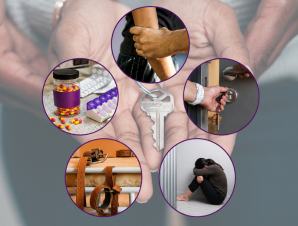

Restrictive Practices Unlocked: An introduction
Restrictive practices sit at the intersection of safety, human rights,…

Behaviour Risk Assessment
This course provides practitioners with a practical, evidence-informed framework for…


Making Communication Count: Functional Communication & Positive Behaviour Support
This course explores how Positive Behaviour Support and functional communication…
Behaviour Risk Assessment
This course provides practitioners with a practical, evidence-informed framework for…
Making Communication Count: Functional Communication & Positive Behaviour Support
This course explores how Positive Behaviour Support and functional communication…

Understanding and responding to FASD in behaviour support
This course supports behaviour support analysts, practitioners, and allied health…
Behaviour Risk Assessment
This course provides practitioners with a practical, evidence-informed framework for…
Making Communication Count: Functional Communication & Positive Behaviour Support
This course explores how Positive Behaviour Support and functional communication…
Understanding and responding to FASD in behaviour support
This course supports behaviour support analysts, practitioners, and allied health…
Restrictive Practices Unlocked: An introduction
Restrictive practices sit at the intersection of safety, human rights,…
Making Communication Count: Functional Communication & Positive Behaviour Support
This course explores how Positive Behaviour Support and functional communication…
Understanding and responding to FASD in behaviour support
This course supports behaviour support analysts, practitioners, and allied health…
Restrictive Practices Unlocked: An introduction
Restrictive practices sit at the intersection of safety, human rights,…
Behaviour Risk Assessment
This course provides practitioners with a practical, evidence-informed framework for…
Making Communication Count: Functional Communication & Positive Behaviour Support
This course explores how Positive Behaviour Support and functional communication…
Restrictive Practices Unlocked: An introduction
Restrictive practices sit at the intersection of safety, human rights,…
Behaviour Risk Assessment
This course provides practitioners with a practical, evidence-informed framework for…
Making Communication Count: Functional Communication & Positive Behaviour Support
This course explores how Positive Behaviour Support and functional communication…
Restrictive Practices Unlocked: An introduction
Restrictive practices sit at the intersection of safety, human rights,…
Making Communication Count: Functional Communication & Positive Behaviour Support
This course explores how Positive Behaviour Support and functional communication…
Understanding and responding to FASD in behaviour support
This course supports behaviour support analysts, practitioners, and allied health…

Who we are
Specialist Behaviour is a team of behaviour support specialists, clinicians, and occupational therapists united by a singular vision — to support carers and strengthen the support sector.
We facilitate training and clinical support services that offer robust strategies for understanding and meeting people’s individual needs. This positive and person-centred approach allows us to provide the best possible care.
Read moreWe facilitate training and clinical support services that offer robust strategies for understanding and meeting people’s individual needs. This positive and person-centred approach allows us to provide the best possible care.
Ready to turn knowledge into positive action?
Discover a world of transformative Positive Behaviour Support (PBS) training with our engaging and interactive online courses. You’ll learn specialised skills and strategies that you can immediately put into action.
Get in touchHear From Our Community
See how our training, support, and resources are helping practitioners and carers make a difference where it matters most.
What Is Positive Behaviour Support?
What is Positive Behaviour Support?
Positive Behaviour Support (PBS) is an evidence-based, person-centred approach aimed at improving an individual’s quality of life by understanding the “why” behind behaviours of concern. It focuses on teaching new skills, modifying environments, and reducing restrictive practices, rather than merely managing challenging behaviour.
By focusing on strengths, building skills, and creating supportive environments, PBS aims to improve quality of life in respectful, positive, and meaningful ways. We work alongside individuals, families, and support networks to create strategies that are practical, compassionate, and tailored to each person.
Who can benefit from PBS?
PBS can benefit people with autism, intellectual disability, Down Syndrome, AUDHD, ADHD, and other developmental conditions. It is also beneficial for people with acquired brain injury, certain mental health conditions, and complex support needs. The approach is always tailored to the person’s context, strengths, needs, and goals.
People of all ages and abilities can benefit from PBS. By meeting people’s unique needs and reducing challenging behaviours, you can help improve their safety, social relationships, overall wellbeing, and quality of life.
Do you need specific training to use PBS practices?
Yes, our online training covers the concepts and practical strategies needed to effectively embrace the PBS approach. With courses for a diverse range of professionals and levels, you’ll learn the principles of behaviour, different assessment processes, intervention strategies, and how to monitor progress.
Who we support
Because the field of behaviour support is nuanced and always evolving, our training modules are designed to help you, no matter where you are on your career journey. If you’re a behaviour support practitioner seeking NDIS-aligned practices, a BCBA in pursuit of Continuing Education Units (CEUs), or an educator or health professional looking to hone practical skills, we can help.
- NDIS Behaviour Support
- Board Certified Behaviour Analysts® (BCBA’s)
- Behaviour Support Practitioners


Clinical support services
At Specialist Behaviour, we understand that every person is unique, and our support services reflect this. From individual clinical supervision, functional behaviour assessments, or organisational consultations, we can tailor our services to best meet your needs and the needs of the individuals you support.
Read moreClinical support services
At Specialist Behaviour, we understand that every person is unique, and our support services reflect this. From individual clinical supervision, functional behaviour assessments, or organisational consultations, we can tailor our services to best meet your needs and the needs of the individuals you support.
Read moreFrequently Asked Questions
Have questions? We’re here to help with information and answers about our services.
Do you need specific training to use PBS practices?
Yes, our online training covers the concepts and practical strategies needed to effectively embrace the PBS approach. With courses for a diverse range of professionals and levels, you’ll learn the principles of behaviour, different assessment processes, intervention strategies, and how to monitor progress.
Who can benefit from PBS?
People of all ages and abilities can benefit from PBS. By meeting people’s unique needs and reducing challenging behaviours, you can help improve their safety, social relationships, overall wellbeing, and quality of life.
What is Positive Behaviour Support (PBS)?
Positive Behaviour Support (PBS) is an evidence-based approach designed to help individuals with complex behavioural needs. By first understanding the underlying reasons for the behaviour, we then focus on implementing proactive strategies and creating healthy environments that prevent these behaviours.
Organisations we work with


