
Restrictive Practices Unlocked: An introduction
Restrictive practices sit at the intersection of safety, human rights, and everyday support work. For many practitioners, understanding what counts as a restrictive practice (and what doesn’t) can be more complex than it first appears.
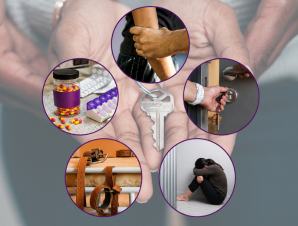
This course provides a grounded introduction to restrictive practices: what they are, the five regulated types under the NDIS, and where the line sits between a restrictive practice and a reasonable safety measure.
It covers the ethical and human rights framework that shapes this area of practice, along with the requirements for reporting and authorisation within an NDIS context, and it includes a practical tutorial for conducting a Restrictive Practice Screening Assessment in real-world practice
Suitable for:
- Behaviour Support Practitioners
- Teachers, educators, and school leaders
- Disability support workers and professionals
- Aged care support workers and professionals
- Out of home care support workers and professionals
- Parents and carers
What you'll learn:
- What a restrictive practice is, and the five regulated types: physical, mechanical, chemical, and environmental restraint, and seclusion
- The difference between a regulated restrictive practice and a reasonable safety measure
- Non-regulated forms of restriction, including blanket rules and cultural restraint
- The human rights framework underpinning restrictive practice regulation, including the UNCRPD
- The risks and impacts associated with restrictive practices, including high-risk and prohibited practices
- Reporting and authorisation requirements for restrictive practices under the NDIS
- The principles behind reducing and eliminating restrictive practices over time
What you'll gain:
- Confidence identifying whether a practice is regulated, and knowing what to do next
- A practical screening tool – the Restrictive Practice Screening Assessment – to use directly in your practice
- Clarity on your reporting obligations, whether you’re a specialist behaviour support practitioner, an implementing provider, a carer, or a family member
- A stronger understanding of the human rights principles that should guide every decision involving restriction
Ready to turn knowledge into positive action?
Discover a world of transformative Positive Behaviour Support (PBS) training with our engaging and interactive online courses. You’ll learn specialised skills and strategies that you can immediately put into action.
Meet your presenter

Related training courses


Restrictive Practices Unlocked: An introduction


Behaviour Risk Assessment


Making Communication Count: Functional Communication & Positive Behaviour Support


Understanding and responding to FASD in behaviour support

Developing Professional Opinion in PBS Practitioners
Behaviour Support Planning: Matching Strategy to Function

Reducing Restrictive Practices: Ethical and Evidence-Informed Decision Making

Leading Difficult Conversations into Positive Outcomes


Setting Up Successful Environments

Evidence-Informed Positive Behaviour Support Practice: Data Collection and Analysis

Person-Centred Active Support (PCAS)


Foundations in Functional Behaviour Assessment (FBA) and Behaviour Support Planning (BSP)

Complex Functional Behaviour Assessment (FBA)

Understanding and Responding to Challenging Behaviour: 7 Steps to Staying Grounded

10 Steps to Safe and Effective Restrictive Practice Reduction

Trauma-Informed Positive Behaviour Support (TIPBS)
Organisations we work with


