
Understanding and Responding to Challenging Behaviour: 7 Steps to Staying Grounded
This course builds a practical, evidence-based framework for understanding and responding to challenging behaviour across disability, education, and care settings. Drawing on over 26 years of experience in trauma-informed positive behaviour support, Jenn Colechin guides learners through the neuroscience behind behaviour, the human needs that drive it, and a memorable 7-step model — the BREATHE framework — for staying grounded when things get hard.
Whether you work in disability support, education, out-of-home care, or simply want to better understand the people in your life, this course offers both the why and the how in an engaging, relatable format.
Included Resources
- Decision Making Guide (clinical and everyday use)
- Functions of Behaviour Quick Reference Guide
Suitable for:
- Disability support workers
- NDIS practitioners
- Disability organisational team leaders, supervisors, and operational managers
- Teachers, school staff, learning support aides
- Out-of-home care workers and foster carers
- Allied health professionals and behaviour support practitioners
- Support coordinators and case managers
- Child protection workers and managers
What you'll learn:
- Define challenging behaviour and understand what it communicates about unmet needs
- Explain how the brain develops and functions during moments of stress or dysregulation
- Identify the four key functions of behaviour using a behavioural analytic framework
- Apply the BREATHE 7-step model to real-world situations
- Use unconditional positive regard and strength-based language in supportive relationships
- Implement co-regulation strategies to help others (and yourself) regain calm
- Apply collaborative problem-solving principles drawn from the work of Dr Ross Greene
- Engage in meaningful reflective practice to continuously improve responses
What you'll gain:
- Understanding Behaviour and the Brain An accessible introduction to brain development — from the brain stem and limbic system through to the prefrontal cortex — and how stress and unmet needs affect thinking, regulation, and behaviour. Includes Dan Siegel’s “flipping the lid” model and Bruce Perry’s neuro-sequential framework.
- Functions of Behaviour A practical breakdown of the four behavioural functions — connection/attention seeking, tangible access, escape/avoidance, and sensory/automatic — with real-world examples and a visual reference guide.
- Unconditional Positive Regard and Strength-Based Language Grounded in the work of Carl Rogers, this section explores how to separate the person from the behaviour, avoid the “tyranny of low expectations,” and shift to language that teaches rather than labels.
- Co-Regulation and the PACE Model An introduction to Dr Dan Hughes’ PACE model (Playfulness, Acceptance, Curiosity, Empathy) as a framework for connection and de-escalation.
- Collaborative Problem Solving Based on the work of Dr Ross Greene (The Explosive Child), learners explore how to assess, plan, and intervene using a shared-goals approach — covered in greater depth through the included Assessment and Planning Tool resource.
- Reflective Practice and Self-Care Guidance on building a “tribe,” seeking support, and recognising your own role and reactions as a key variable in every interaction.
Ready to turn knowledge into positive action?
Discover a world of transformative Positive Behaviour Support (PBS) training with our engaging and interactive online courses. You’ll learn specialised skills and strategies that you can immediately put into action.
Meet your presenter

Related training courses
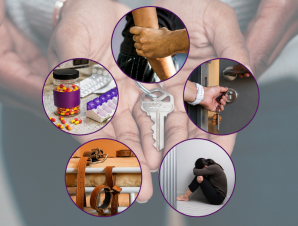
Restrictive Practices Unlocked: An introduction


Behaviour Risk Assessment


Making Communication Count: Functional Communication & Positive Behaviour Support


Understanding and responding to FASD in behaviour support

Developing Professional Opinion in PBS Practitioners
Behaviour Support Planning: Matching Strategy to Function

Reducing Restrictive Practices: Ethical and Evidence-Informed Decision Making

Leading Difficult Conversations into Positive Outcomes


Setting Up Successful Environments

Evidence-Informed Positive Behaviour Support Practice: Data Collection and Analysis

Person-Centred Active Support (PCAS)


Foundations in Functional Behaviour Assessment (FBA) and Behaviour Support Planning (BSP)

Complex Functional Behaviour Assessment (FBA)

Understanding and Responding to Challenging Behaviour: 7 Steps to Staying Grounded

10 Steps to Safe and Effective Restrictive Practice Reduction

Trauma-Informed Positive Behaviour Support (TIPBS)
Organisations we work with


